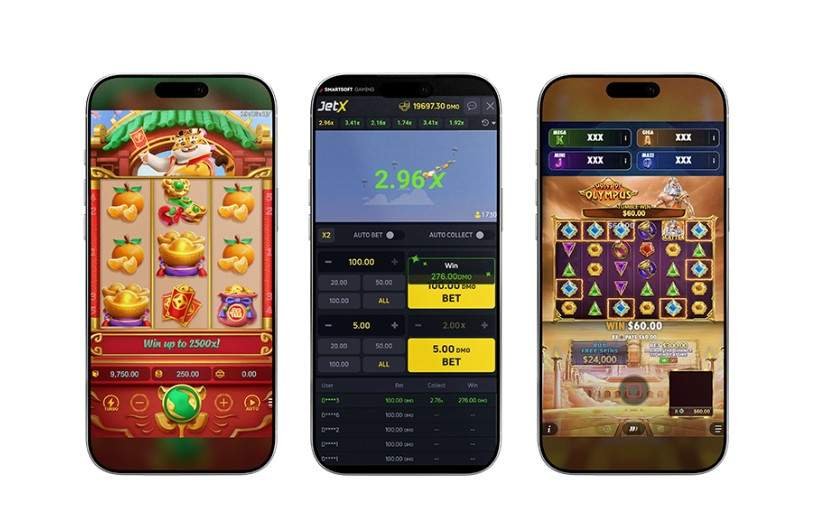
Think back a few years. If you wanted live entertainment, you planned around it. Bought tickets, argued with friends about who was late, rushed through traffic, maybe watched the whole thing from the worst seat in the house. If you stayed home, you caught whatever the TV schedule was kind enough to show you.
Now your phone vibrates, you tap a notification, and you are suddenly inside a match, a show, a live room, chat flying, odds moving, reactions popping up in the corner.
Apps built around sports, gaming and live shows changed that rhythm completely. The live tamasha app, for example, wraps live cricket, football and casino style games into a mobile format that works whether you are on a sofa or stuck on a bus. It is one of many products quietly turning “being there” into “being online at the right moment”.
Let’s talk about how these apps made live entertainment easier to reach for a lot more people, and what actually matters when you choose which ones deserve your time.
From Occasional Treat To Everyday Habit
Live used to be rare. A concert tour every couple of years. A big final once in a while. You built your weekend around one event, then talked about it for days.
Mobile apps flipped it. Now there is always something happening.
A few taps and you can:
- Watch a match that is not on your local TV
- Join a live casino table hosted in another country
- Drop into a creator’s stream for twenty minutes on your lunch break
- Catch a music set from someone you discovered an hour ago
You are no longer limited by location, price of tickets, or whatever your local broadcaster decided to buy rights for. The gatekeepers lost their monopoly.
That shift sounds obvious, but it is the core of “accessibility” in entertainment. These apps removed most of the physical friction, then filled the gap with choice.
Geography Matters Less Than Your Data Signal
One of the most underrated things mobile live apps did was flatten the map.
Maybe your city never gets big concerts. Maybe the league you like is considered minor where you live. Maybe casinos are far away or too expensive for how often you would actually go.
With a halfway decent data connection, none of that blocks you anymore.
A good live sports and gaming platform will:
- Stream or at least track events from multiple countries
- Offer commentary or interfaces in more than one language
- Let you follow tournaments that are invisible on regular TV where you are
Apps in the style of live tamasha app do this with cricket, football and live tables, all inside the same screen. A match in another time zone becomes just another card in your feed.
Is it the same as being in the stadium. Of course not. But it is something very different from waiting for a ten second highlight on the news at midnight.
Lowering The Price Of “Showing Up”
Tickets, travel, food, outfits, time off work, childcare, parking. Live events pile on hidden costs fast. For a lot of people, going is simply not realistic more than once or twice a year.
Mobile live entertainment stripped the cost down to:
- Your internet plan
- Maybe a subscription or small in app spend if you choose
You can join for fifteen minutes, not four hours. You can watch the first half of a match, then switch to something else or go back to your life. No sunk cost guilt.
With live betting or prediction features, the price of participation can also be tightly controlled. Small stakes, micro markets, free to play games that still give you a sense of being involved in what is happening on the screen.
Accessibility is not just about “can you open the app”, it is also “can you participate without wrecking your budget”. The better products are very aware of that line.
Making Live Less Intimidating
There is another angle people rarely mention. A lot of traditional live spaces feel intimidating.
Stadiums full of shouting fans. Casinos with unspoken rules and regulars who know exactly what they are doing. Trendy venues where you feel like an outsider the second you walk in.
Mobile apps soften that.
You can:
- Mute chat until you are comfortable
- Lurk and watch how games or markets work before joining
- Stick to the sports, hosts or formats that match your own pace
- Exit any room silently, no awkward goodbye
For newer fans, or for people who do not like crowded places, this matters more than we usually admit. You still get the rush of live, but you also control your exposure.
Many apps add basic assistive features too. Clearer fonts, adjustable sound, subtitles on streams, options to turn off intense visual effects. None of this would win an award on its own, but together it makes live content usable for people who would never last in a noisy bar for ninety minutes.
How Interactivity Raises The Floor
What really separates mobile live entertainment from the old TV model is interaction.
You do not just watch:
- You predict the next goal or boundary
- You place small bets and see your position update in real time
- You send quick reactions that the host can see and respond to
- You climb small leaderboards for correct picks or participation
That interactivity is not a gimmick. It is how apps make people feel that their presence matters, even if they are watching alone.
In live sports betting environments, for example, the app becomes a control panel rather than just a screen. Odds refresh, markets open and close with each play, and your decisions actually influence what you see on your slip.
Done right, this can lower the emotional barrier to entry. You do not need to understand every advanced rule from day one. You learn by doing, by watching others in chat, by following suggested markets that highlight key moments in the match.
The risk, of course, is overload or pushing people too hard to engage. That is where design and regulation need to keep up, but the potential for good is there.
Data Friendly, Device Friendly, Life Friendly
Accessibility is also technical.
The apps that win long term are usually the ones that respect three basic realities:
- Not everyone has a flagship phone
- Not everyone has unlimited data
- Not everyone has time or patience for constant app drama
So you see more:
- Adaptive quality streams that fall back to audio or low resolution without breaking
- Lightweight interfaces that do not eat battery in an hour
- Simple, fast logins that remember you without making security a joke
- Download sizes that do not require deleting five other apps
All of that sounds minor next to splashy features, but it is exactly what lets someone in a smaller town, on an older device, still watch a live over or spin without freezing every thirty seconds.
If live entertainment is only usable on the newest phone, it is not really accessible. It is just another toy for a small group.
Choosing Apps That Actually Serve You
With so many options, the real skill now is not finding a live entertainment app, it is filtering.
A few questions I always mentally run through:
- Can I easily change language, video quality, sound levels.
- Does the app let me control notifications in detail, not just on or off.
- Are there clear tools for setting limits on spending or reminders on session length if money is involved.
- Do I understand the layout within a few minutes, or am I constantly hunting for basic information like scores, balance or rules.
- Does the product feel like it was built for my region and real conditions, or like a copy of something from somewhere else.
When an app gets those basics right, everything else becomes optional. If it also gives you reliable access to the events you actually care about, like your league, your team, your style of games, then you have something worth keeping on your home screen.
Live entertainment is not magically “free” or perfectly equal just because it moved into apps. There are still gaps, pressures, temptations. But it is clearly more reachable now than it has ever been.
The trick is to use that reach on your own terms, with tools that respect your limits instead of fighting them. And that, more than any one shiny feature, is what will decide which live apps are still around, and still on your phone, a few years from now.